
About Ohio Timber Works
A Timber Buyer and Hardwood Logging Company Serving Ohio Landowners
Ohio Timber Works works with private landowners to evaluate standing timber, explain market conditions, and carry out responsible hardwood harvests. Most landowners only sell timber once or twice in a lifetime.
Our role is to help connect each stand of timber to the right harvest plan, the right market, and the right long-term outcome for the woods.
Ohio Timber Works
Built Around Better Timber Management Decisions
Most landowners only sell timber once or twice in their lifetimes. The outcome usually depends on what is selected, how it is harvested, and where each log is sold.
Ohio Timber Works helps connect each stand of timber to the right harvest plan, the right market, and the right long-term outcome for the woods.
What Ohio Timber Works Does and Why It Matters
Most woodland owners only sell timber once or twice in a lifetime. The outcome usually comes down to three decisions: what is selected, how it is harvested, and where each log is sold.
Standing Hardwood Purchases (For Landowners)
Most landowners work with us through a standing timber sale. We evaluate mature hardwoods while they are still standing, provide a clear offer, and handle harvesting, trucking, and cleanup.
We match each tree to its highest-value use and manage the harvest so the woods remain positioned for long-term regeneration.1
Our Operating Area and the Ohio Hardwood Context
Ohio remains a major hardwood-producing state. Forest land has recovered significantly since the mid-1900s and has remained relatively stable in recent decades.2
Timber value is driven by both the condition of the woods and demand for specific species and log grades.
Our role is to interpret those factors and turn them into a plan that makes sense for your property.
What Ohio Timber Works Does and Why It Matters
Most woodland owners only sell timber once or twice in a lifetime. The outcome usually depends on three things: what is selected, how it is harvested, and where each log is sold.
Standing Hardwood Purchases (For Landowners)
Most private landowners work with us through a standing timber purchase. We evaluate mature hardwoods while they are still standing, provide a clear offer, and manage harvesting, trucking, and cleanup. This is the traditional “sell my timber” pathway.
Ohio Timber Works is built around those decisions, connecting the timber owner to the highest-value use while keeping the woods positioned for long-term regeneration.1
Two Core Ways We Work With Hardwood
Ohio Timber Works works with hardwood in two main ways: helping landowners sell standing timber responsibly, and helping buyers source logs for specific markets and end uses.
For landowners
Standing Timber Purchases
For landowners with mature hardwoods, we evaluate standing timber, make a clear offer, and manage the harvest from planning through logging, trucking, cleanup, and optional reforestation support.
For buyers
Log Brokering
For mills, veneer buyers, exporters, and repeat buyers, we help place hardwood logs by species, grade, market demand, and intended end use.
Our Operating Area and the Ohio Hardwood Context
Ohio is a major hardwood-producing state. Forest land has recovered significantly since the mid-1900s and has remained relatively stable in recent decades.2
For landowners, timber value is shaped by both the condition of the woods and current demand for specific species and log grades.
Our role is to read those conditions and turn them into a plan that makes sense for your property.
Ohio forest land trend
How we protect value during a timber harvest
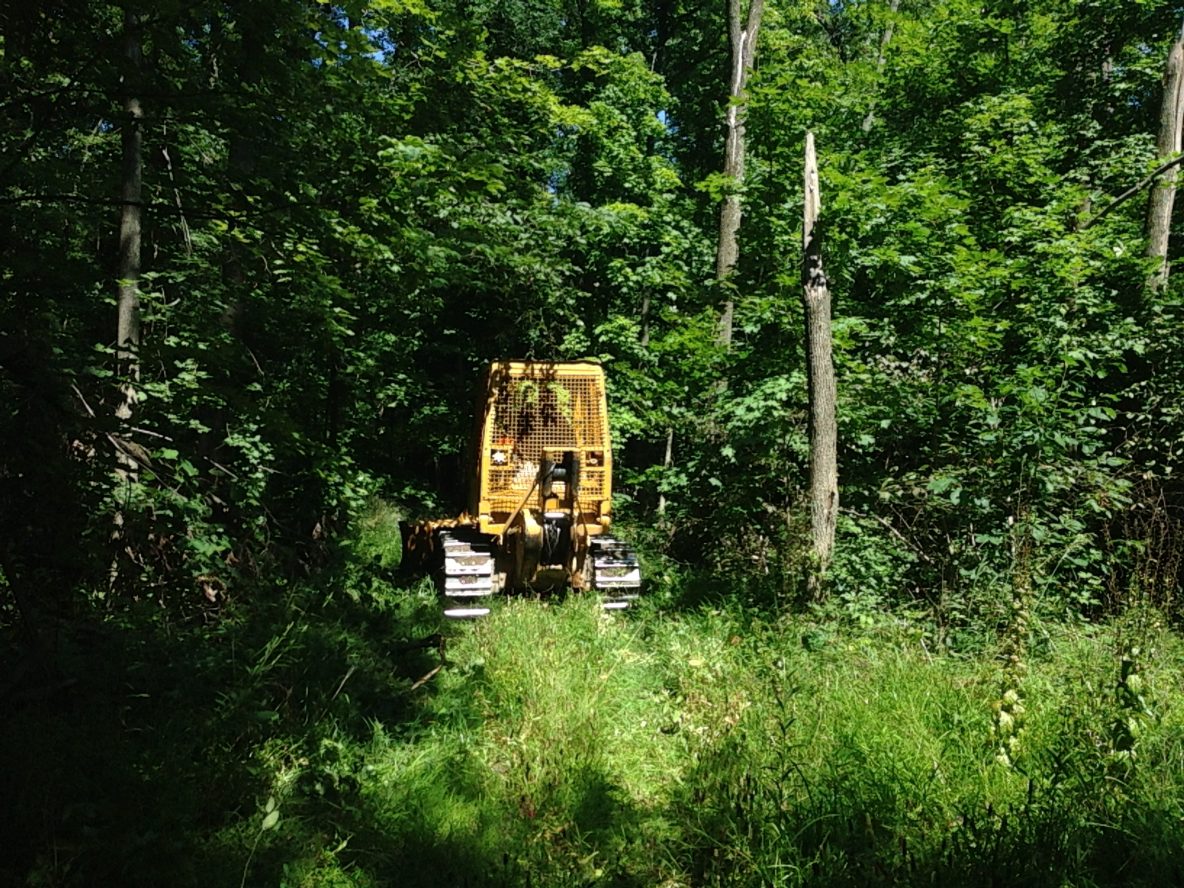
“Responsible logging” is a practical checklist: access planning, skid trail layout, felling control, sorting, and cleanup—done in a way that protects the residual stand and makes regeneration more likely. That’s also why we favor selective harvests of mature trees instead of “cut everything marketable” approaches.1
- Clear scope: what’s being removed, what stays, and how the stand should look afterward.
- Market placement: logs are sorted by species/grade so each log can be sold into its strongest end use.
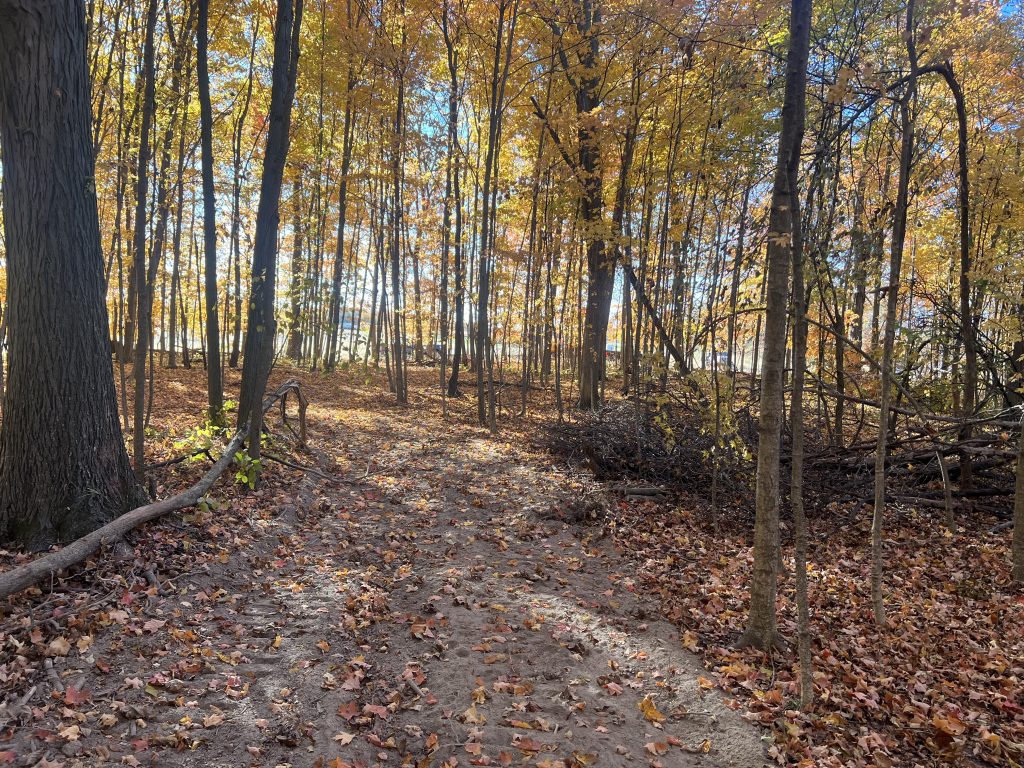
- Cleanup & stabilization: landings and trails are left stable; ruts and water issues are addressed.
- Next-stand thinking: when the owner’s goals include regeneration or species improvement, we discuss options up front. Reforestation Services
| Species | Common high-value uses | What drives price the most |
|---|---|---|
| White Oak | Flooring, cabinetry, cooperage, furniture | Grade, diameter, clear length, and straight grain |
| Black Walnut | Slabs, furniture, veneer, high-end millwork | Clear faces, color, defect placement, and log form |
| Hard Maple | Flooring, sports floors, cabinetry, turning | Hardness/clarity, sapwood/heartwood mix, straightness |
| Hickory | Flooring, tool handles, rustic/character products | Soundness, color consistency, and usable yield |
| Red Oak | Flooring, trim, furniture components | Grade and clear lengths; strong commodity demand |
For product-side details (drying targets, milling options, and common applications), see: Hardwood Products
Still Have Questions?
Call Ohio Timber Works at 937-451-8905 with any questions or concerns.
References & Resources
- Ohio State University Extension (Ohioline) – Getting the Most Return From Your Timber Sale →
- USDA Forest Service (FIA) – Forests of Ohio, 2017 (Resource Update FS-171) →
- USDA Forest Service (FIA) – Forests of Ohio, 2020 (Resource Update FS-341) →
- USDA Forest Products Laboratory – Wood Handbook (properties and uses of wood) →