
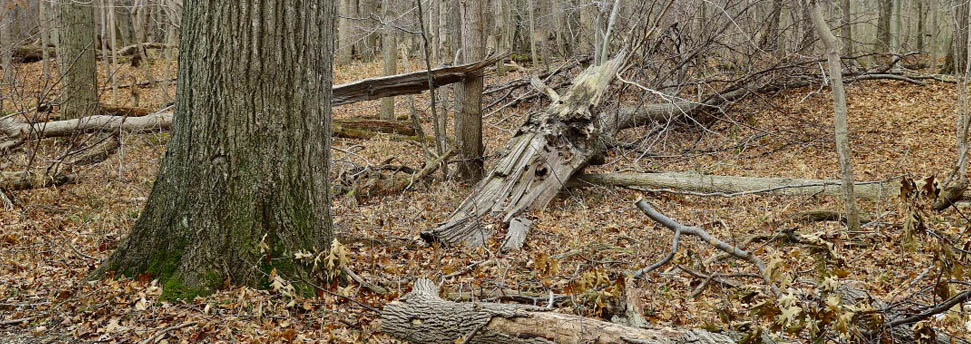
Forest Management
Forest Management Services: A Landowner’s Decision Guide
Most landowners do not need more information. They need a clear way to decide what to do with their woods. Whether you are considering a timber harvest, improving a stand, or letting it grow, this guide outlines the practical paths available and how to choose between them.
Start With the Outcome, Not the Service
“Forest management” can mean very different things depending on your goals. Before thinking about logging or reforestation, the first step is identifying what you want your woods to do now and in the future.
Goal
Generate Income
Harvest mature timber and capture current market value.
Goal
Increase Future Value
Delay harvest and manage for higher-quality logs over time.
Goal
Improve Forest Health
Remove low-quality trees and encourage stronger growth.
Goal
Maintain or Restore
Focus on regeneration, invasive control, and long-term stability.
Four Practical Paths for Managing Your Woods
Most properties fit one of four broad directions. The right path depends on timber maturity, stand quality, ownership goals, and timing.
Path 1
Immediate Timber Harvest
If your woods contain mature, marketable hardwoods, a harvest may be the most direct way to realize value. The focus is on proper selection, access planning, and leaving the site positioned for regeneration.
Path 2
Deferred Harvest
In many cases, the highest-value trees are still developing. Waiting 5 to 15 years can significantly increase log quality and pricing potential if the stand is healthy and stable.
Path 3
Improvement Cut (TSI / Thinning)
Removing low-quality or competing trees allows better specimens to grow. This approach prioritizes long-term stand quality rather than immediate revenue.
Path 4
Monitor and Maintain
Some properties benefit from minimal intervention. Monitoring for invasive species, storm damage, and natural regeneration can be the right move depending on conditions.
What Determines the Right Decision?
Two properties can look similar on the surface but require completely different management decisions. The difference usually comes down to a few practical factors.
- Species composition: Walnut, white oak, and maple behave differently in both growth and market value.
- Tree size and age: Diameter and maturity determine whether value is ready to capture or still developing.
- Stand quality: Presence of defects, competition, or past high-grading impacts future outcomes.
- Access and terrain: Logging feasibility and cost can influence timing decisions.
- Market conditions: Hardwood pricing fluctuates and can shift optimal timing.
Where Forest Management Services Fit In
Once a direction is clear, forest management services are simply the tools used to carry out that decision. This may include planning a timber harvest, coordinating logging operations, or preparing the site for regeneration.
Service
Timber Harvest Planning
Aligning species, timing, and access to maximize value while protecting the site.
Service
Logging & Execution
Carrying out the harvest with attention to residual stand quality and site conditions.
Service
Post-Harvest Regeneration
Ensuring the next generation of hardwood forest is established and protected.
Next Step
Not Sure Which Direction Is Right?
Every property is different. If you are weighing whether to harvest, improve, or wait, we can walk your woods with you and help clarify the next step.
Forest Management Questions
Is forest management the same as logging?
Should I harvest my timber now or wait?
What happens after a timber harvest?
Forest Management Services: A Landowner’s Decision Guide
Most landowners don’t need more information—they need a clear way to decide what to do with their woods. Whether you’re considering a timber harvest, improving a stand, or letting it grow, this guide outlines the practical paths available and how to choose between them.
Start With the Outcome, Not the Service
“Forest management” can mean very different things depending on your goals. Before thinking about logging or reforestation, the first step is identifying what you want your woods to do—now and in the future.
Generate Income
Harvest mature timber and capture current market value.
Increase Future Value
Delay harvest and manage for higher-quality logs over time.
Improve Forest Health
Remove low-quality trees and encourage stronger growth.
Maintain or Restore
Focus on regeneration, invasive control, and long-term stability.
Four Practical Paths for Managing Your Woods
1. Immediate Timber Harvest
If your woods contain mature, marketable hardwoods, a harvest may be the most direct way to realize value. The focus is on proper selection, access planning, and leaving the site positioned for regeneration.
2. Deferred Harvest (Wait Strategy)
In many cases, the highest-value trees are still developing. Waiting 5–15 years can significantly increase log quality and pricing potential—if the stand is healthy and stable.
3. Improvement Cut (TSI / Thinning)
Removing low-quality or competing trees allows better specimens to grow. This approach prioritizes long-term stand quality rather than immediate revenue.
4. Monitor and Maintain
Some properties benefit from minimal intervention. Monitoring for invasive species, storm damage, and natural regeneration can be the right move depending on conditions.
What Determines the Right Decision?
Two properties can look similar on the surface but require completely different management decisions. The difference comes down to a few key factors.
- Species composition: Walnut, white oak, and maple behave differently in both growth and market value.
- Tree size and age: Diameter and maturity determine whether value is ready to capture or still developing.
- Stand quality: Presence of defects, competition, or past high-grading impacts future outcomes.
- Access and terrain: Logging feasibility and cost can influence timing decisions.
- Market conditions: Hardwood pricing fluctuates and can shift optimal timing.
Where Forest Management Services Fit In
Once a direction is clear, forest management services are simply the tools used to carry out that decision. This may include planning a timber harvest, coordinating logging operations, or preparing the site for regeneration.
Timber Harvest Planning
Aligning species, timing, and access to maximize value while protecting the site.
Logging & Execution
Carrying out the harvest with attention to residual stand quality and site conditions.
Post-Harvest Regeneration
Ensuring the next generation of hardwood forest is established and protected.
Not Sure Which Direction Is Right?
Every property is different. If you’re weighing whether to harvest, improve, or wait, we can walk your woods with you and help clarify the next step.
Forest Management Questions
Is forest management the same as logging?
Should I harvest my timber now or wait?
What happens after a timber harvest?